
Artist Highlight: Sterling Rook
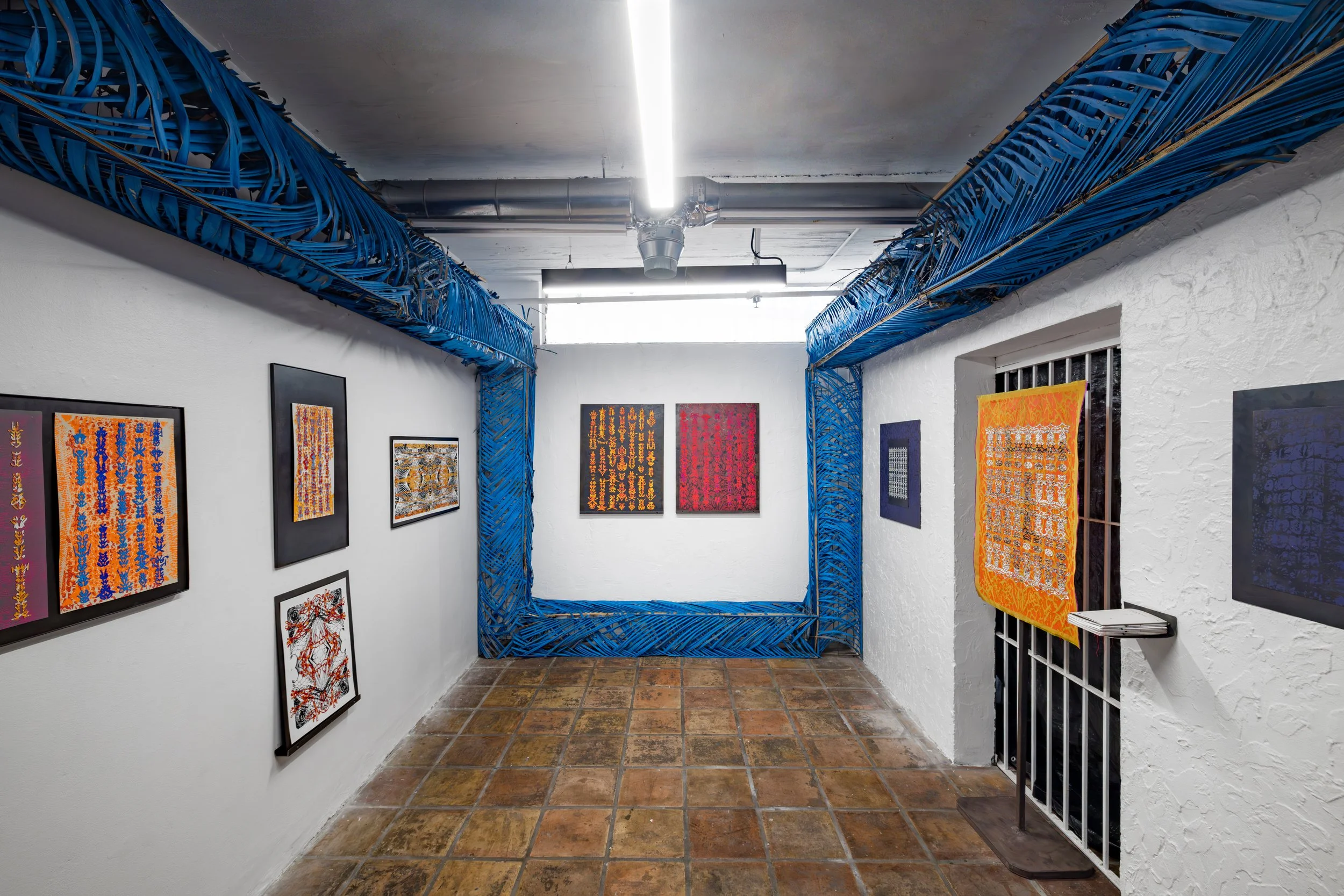
Miami-based artist Sterling Rook works across sculpture and fiber, using materials such as forged steel, handmade rope, and organic elements to explore ancestry, craft, and material memory. Drawing from a lineage of textile and fiber traditions on both sides of his family, Rook approaches art-making as both a generative and regenerative process, connecting personal and cultural histories across time.
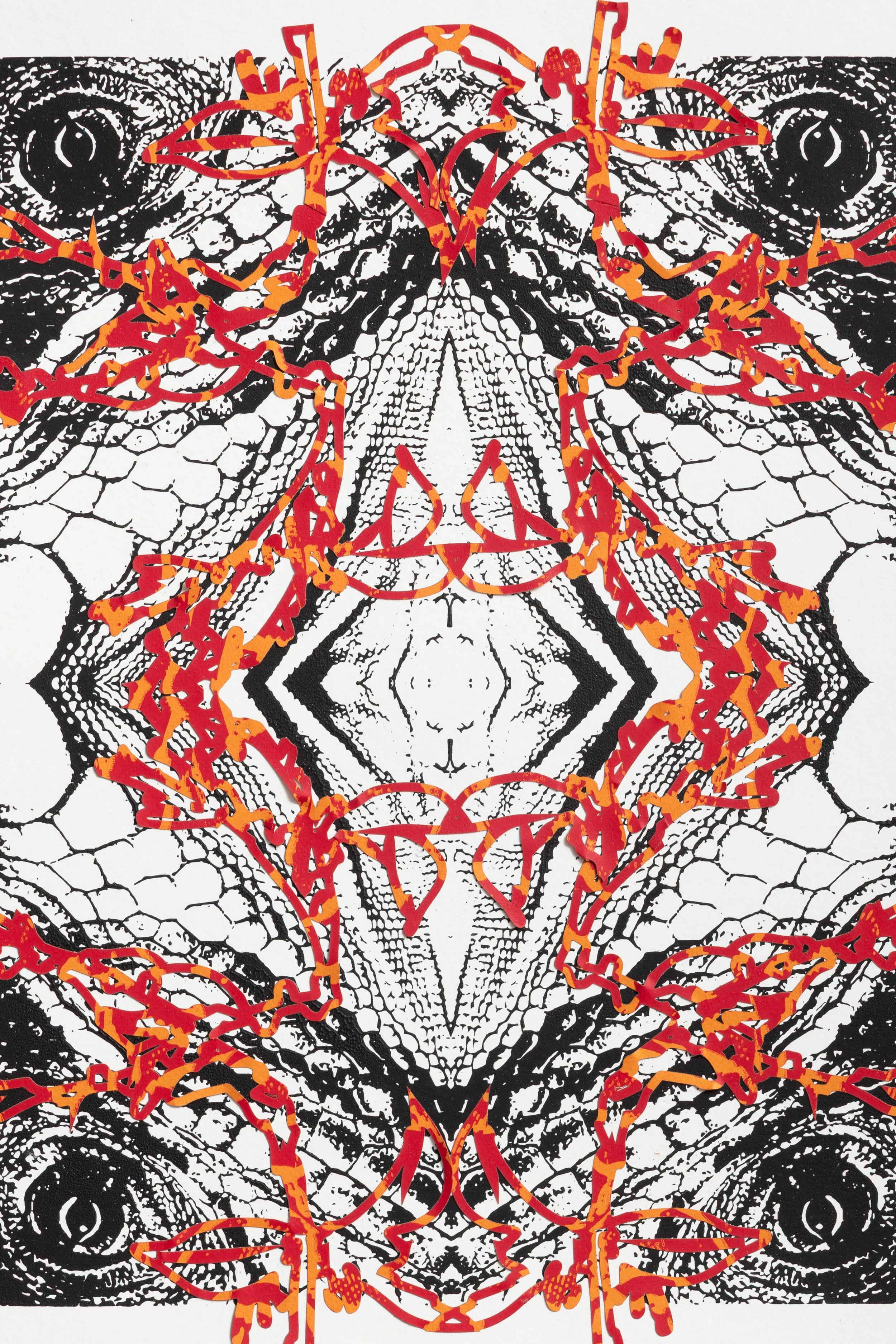
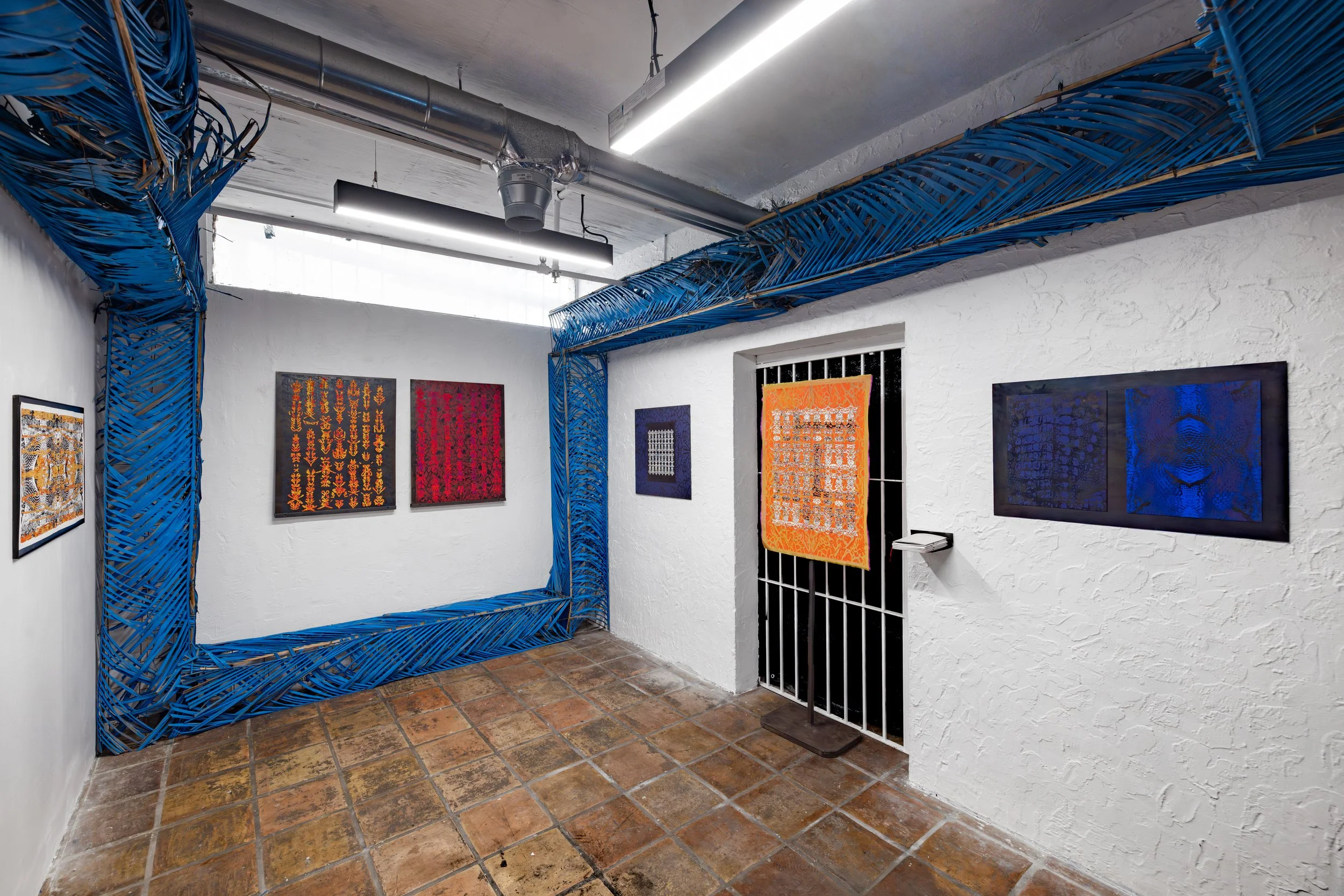
Sterling currently has work on view at Tunnel Projects as part of his solo exhibition Shupingagua, on view through Saturday, April 25.
Can you tell us about your artistic practice?
My practice attempts to use material, craft, and form as means of making contact with pieces of ancestry that speak to me.
What role does your family legacy of "re-weaving" and "stringing" play in your creative process? Are you working more from feeling or visual recall?
I’d say it’s a bit of both. When I was growing up, we lived across the lake from my Peruvian grandmother’s house. My cousin lived there with my aunt, so we were over all the time. My abuela would often be there reweaving garments, and her husband was a tailor, so both of them worked out of the house.
On my father’s side of the family, the connection comes more through storytelling and history. My grandfather owned a lace mill, and the name Stringer—my ancestral name—comes from a historical occupation in England associated with making rope, string, and lace, going back to the Middle Ages. So these traditions of fiber work exist on both sides of my family, and they inevitably find their way into my practice.
Tell us about your immersive installation, Shupingagua, at Tunnel Projects and what in particular you are excited about:
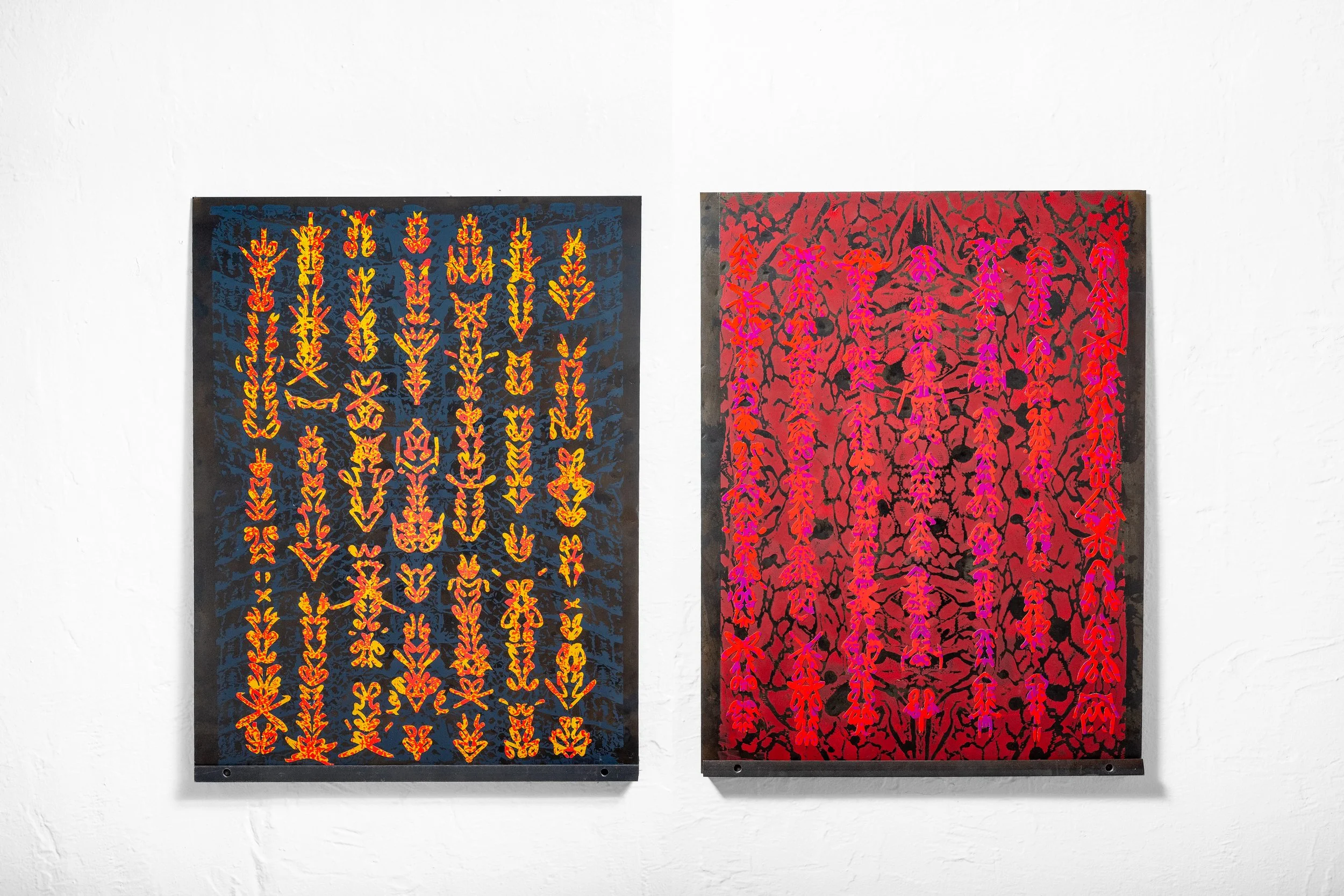
The exhibition is tied to a biography that my abuela wrote about her father, my great-grandfather Miguel. The biography is titled Miguicho de los Amazonas, and in it there is a story about him as a baby traveling down the Napo River with his parents in a small boat that capsizes.
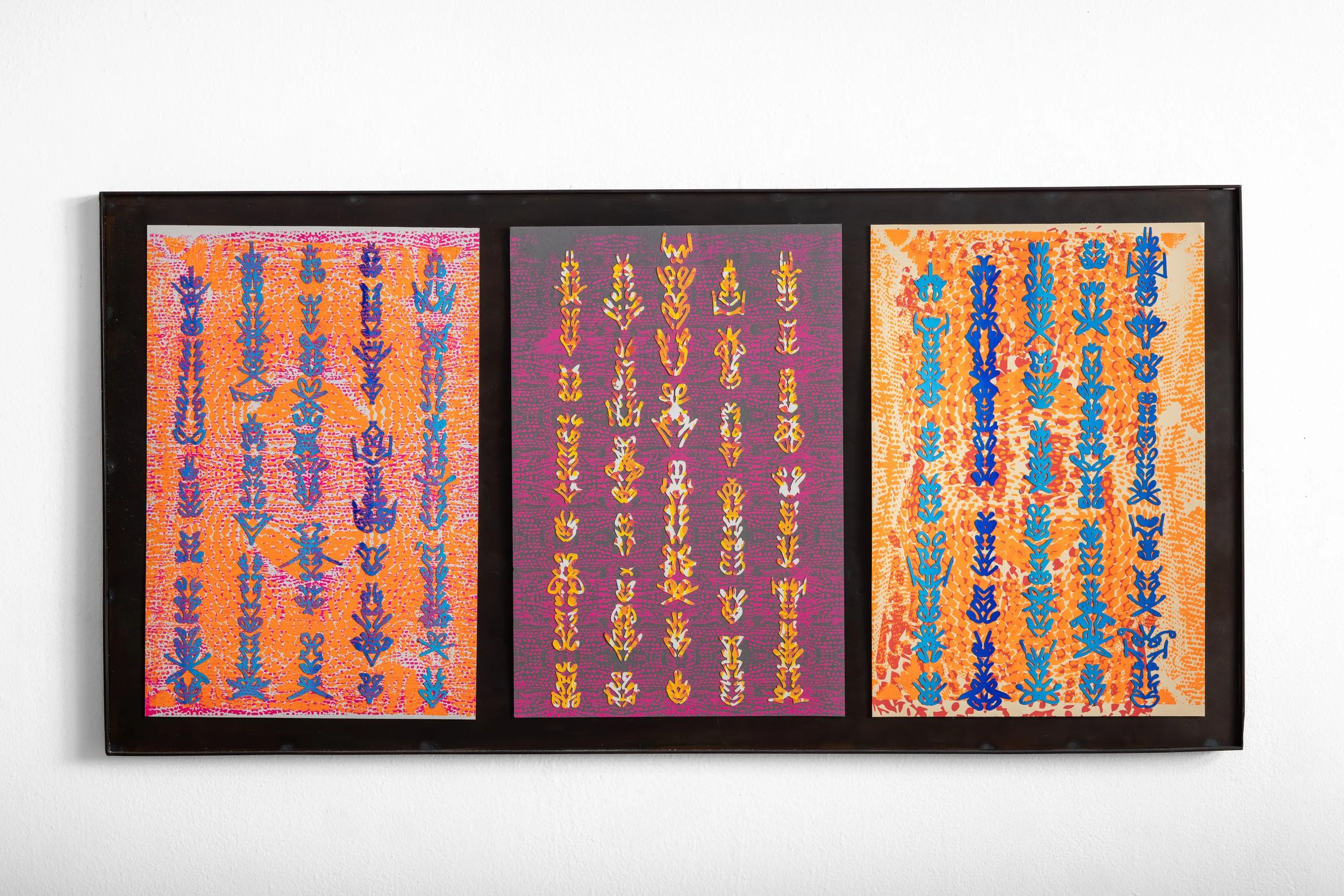
In the work, I borrow elements from her handwriting and family photographs to explore that story. What excites me most is the possibility of reviving something that is slowly becoming lost to time.
Tell us about how you have developed as an artist since you began working at Bakehouse:
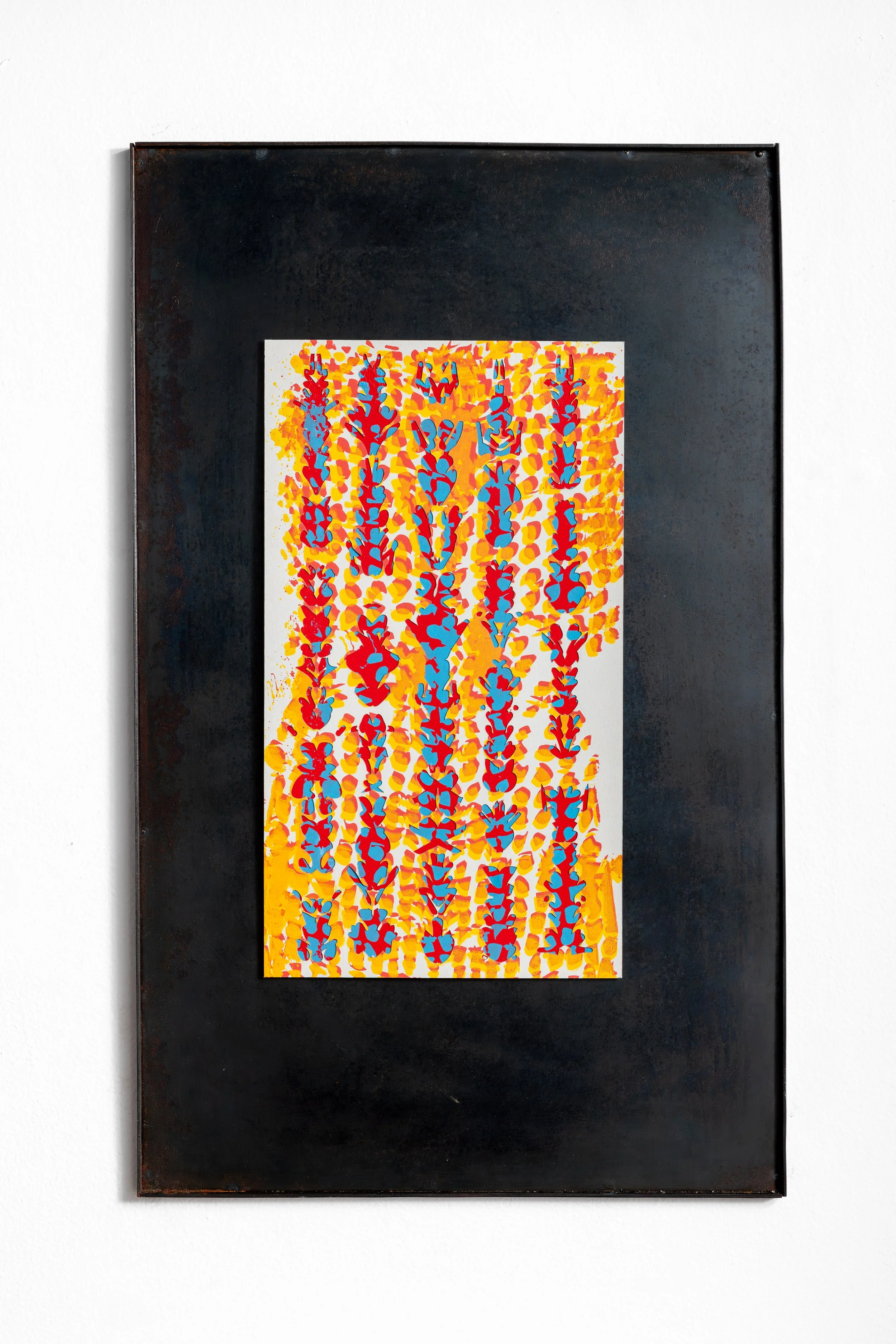
Bakehouse has allowed me to develop my skills across a number of disciplines. I’ve had the opportunity to realize larger-scale, community-focused participatory projects, but I’ve also been able to step back and refine my skills through smaller, more craft-based explorations.
The upcoming show is, in some ways, an attempt to reconcile those two directions—working both large and small within a relatively intimate space.
How do you feel your art practice has developed or changed over the last __ years? Does Bakehouse play a role in this?
I’ve been able to grow so much and Bakehouse and its community has been integral to that. I’ve been able to help other artists realize their work and have found a place as a bit of a fabricator for many of my peers.
How do you stay inspired and motivated in your work?
Motivation or inspiration has never really been the problem for me. The challenge is usually focus. It’s easy to leave something unfinished because another technical or visual curiosity pulls me in a different direction.
I haven’t fully solved that problem yet, but recognizing the pattern is a start.
From your perspective, can you describe why art practices like the ones at Bakehouse are important to have in Miami?
Art-making isn’t just about creating something new. For some of us, it’s also an act of remembering. For better or worse, Miami changes extremely fast—it has been that way since the early 1900s or before. At times it feels like an entity rushing forward while trying to forget most of its past.
But the past and its stories still contain something valuable. Lives were lived here, and within those lives people generated purpose that ultimately created the ground we now stand on. The past is never really gone; if it were, we would not still feel the urge to move away from it.
If we could remember even a fraction of the millions of small histories that brought us to this moment, perhaps we wouldn’t be in such a hurry to demolish every small house and build ever taller structures that slowly block out our sky.
How do you define the role of the artist in society, and how does your work reflect that?
Depends on which artist you mean. I think some fill different functions. Many get boxed into making things that decorate great halls and walls. Some want to find the boundaries of reality. Some want to look into the natural world and reflect it. Some are trying to make sense of their own personal world or history.
This list is not exhaustive, and neither does it mean one artist does just one of those things, but I suppose, more or less, I fall into the latter bunch. Art is a language that artists speak to interpret their world, like any language does.
What inspired the shift from traditional art-making to a socially engaged practice?
I wouldn’t call it a permanent shift, because my practice didn’t become exclusively social practice. It’s simply something I have explored and would likely do again. As a teacher, I’m also continuously engaging people through making in one way or another.
At the time of the Miami Rope Bridge project, I was interested in creating connection. The project was inspired by the rope bridge builders in Peru who gather each year to rebuild handwoven bridges together. The act is both practical and communal—it strengthens the bridge, but also reinforces social bonds and honors the ancestors who maintained the tradition.
I’ve always suspected that the world might be a better place if art served that kind of function more often.
How does the location or site of your project influence its meaning?
I want to acknowledge the platform that Luna Palazzolo-Daboul has created through Tunnel Projects. She has built a space where artists can generate sometimes unconventional visions. That kind of space is special—not a commercial gallery or an institution that comes with its own set of expectations, but a place that genuinely empowers artists to speak in their own voice. That’s a big deal, and I have a lot of appreciation for that.
Do you have any long-term goals for your social practice?
To the best of my ability, I try to go with “the wind in the sails,” so to speak. Long-term goals are for folks who like planning. Some things are good to plan. Mostly, I am content to be happy in work, to paraphrase William Morris, the textile designer-artist.
How do you define success as an artist?
The same way I define success as a person. If I am content and have caused no harm. Ideally, I have opened a door, so to speak.
You have been an established artist and an educator for a while, specifically teaching arts classes at New World School of the Arts. You have also been a Studio Artist with Bakehouse for several years. What advice would you impart on emerging artists now?
Don’t rush, but work hard. Try not to sacrifice your joy for the work—ideally those two things should be connected.
Be kind to people along the way. Find your own path and walk it as best you can; no one’s path is exactly the same. Listen carefully to others and help when you can. As one of my mentors and former professors often says: “Lift each other up.”
What do you hope to achieve in your career as an artist in the next five years?
Make good work. If the work is good, then opportunities will come, whatever they are. A SculptureCenter show or MoMA PS1 would be nice.
About Sterling Rook:
Sterling Rook is a Miami native with Masters in Fine Art from Florida International University. He works out of his studio at the Bakehouse Art Complex in Miami, Florida.
Rook’s work uses his skills in metalwork and fabric to further expand the language of sculpture and fiber-art. Forged and welded steel, painted palm fronds, and handmade rope from used clothing, all factor in for Rook in as avenues expanding this visual vocabulary.
This visual-vocabulary is enriched through working within a family legacy of fiber-crafts: On the maternal/Peruvian side of his family, his grandmother was a re-weaver, and his grandfather was a tailor. His paternal/British grandfather’s last name was “Stringer,” which is a British historical-occupational name for one who made rope or string. Rook uses these as beacons to explore art-making as both a generative and regenerative process, which is like tapestry that interprets and combines histories in the creation of an artwork. Using these markers as a compass, his work bridges gaps within disparate cultural heritages connecting past to present. Sterling is also an associate professor at New World School of The Arts.
About Tunnel Projects:
Tunnel Projects is an independent art space in Miami that supports local artists through exhibitions, curatorial projects, and experimental practices. It provides a platform for artists working in sculpture, installation, painting, new media, and interdisciplinary work, focusing on contemporary issues. In addition to its exhibitions, Tunnel Projects organizes pop-ups and collaborative projects, maintaining a flexible curatorial approach that brings together a range of artistic perspectives.